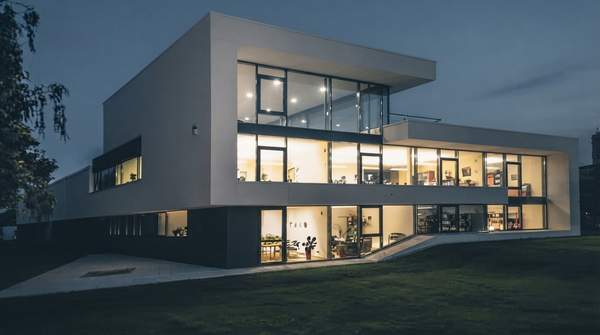
Despite a crowded housing market, Redwood Living Inc. maintains high occupancy rates by offering single-story apartment homes with attached garages, a unique offering that minimizes turnover costs. This strong occupancy rate helps the company hold down turnover costs and vacancy risk, according to Crainscleveland. The model supports long-term stability within the rental housing market, providing a distinct overview of Redwood Living Inc.'s operational success and services in 2026.
Redwood Living Inc. is achieving operational success in the rental market, but its brand identity is easily conflated with Redwood Trust, a distinct entity focused on mortgage banking.
Careful distinction between these two entities is crucial for accurate market understanding and investment decisions, as their successes and challenges are not directly interchangeable.
Redwood Living's Distinctive Rental Model
- Redwood Living, Inc. offers single-story apartment homes featuring two bedrooms and two bathrooms, according to Bbb.
- The apartment homes include an attached garage, also noted by bbb.org.
These unique features cater to a specific demographic seeking the convenience of apartment living combined with the privacy and amenities often found in a single-family home. This product offering aims to ensure high tenant retention, directly reducing typical turnover costs for property managers.
Clarifying the Redwood Brand Landscape
Redwood Trust reported record mortgage banking production of $8.5 billion in Q1 2026, according to Redwood Trust. This significant financial performance pertains to Redwood Trust, a distinct entity in the mortgage banking sector. It should not be conflated with Redwood Living Inc.'s residential rental business, despite similar names.
Based on Bbb and Crainscleveland evidence, Redwood Living Inc.'s strategic embrace of single-story, attached-garage rental homes is not merely a niche play; it's a shrewd operational blueprint that minimizes turnover costs and vacancy risk, positioning them for superior long-term stability compared to conventional multi-family developments.